MONUMENTS
Project Partners: Kris Plunkett
Project Overview
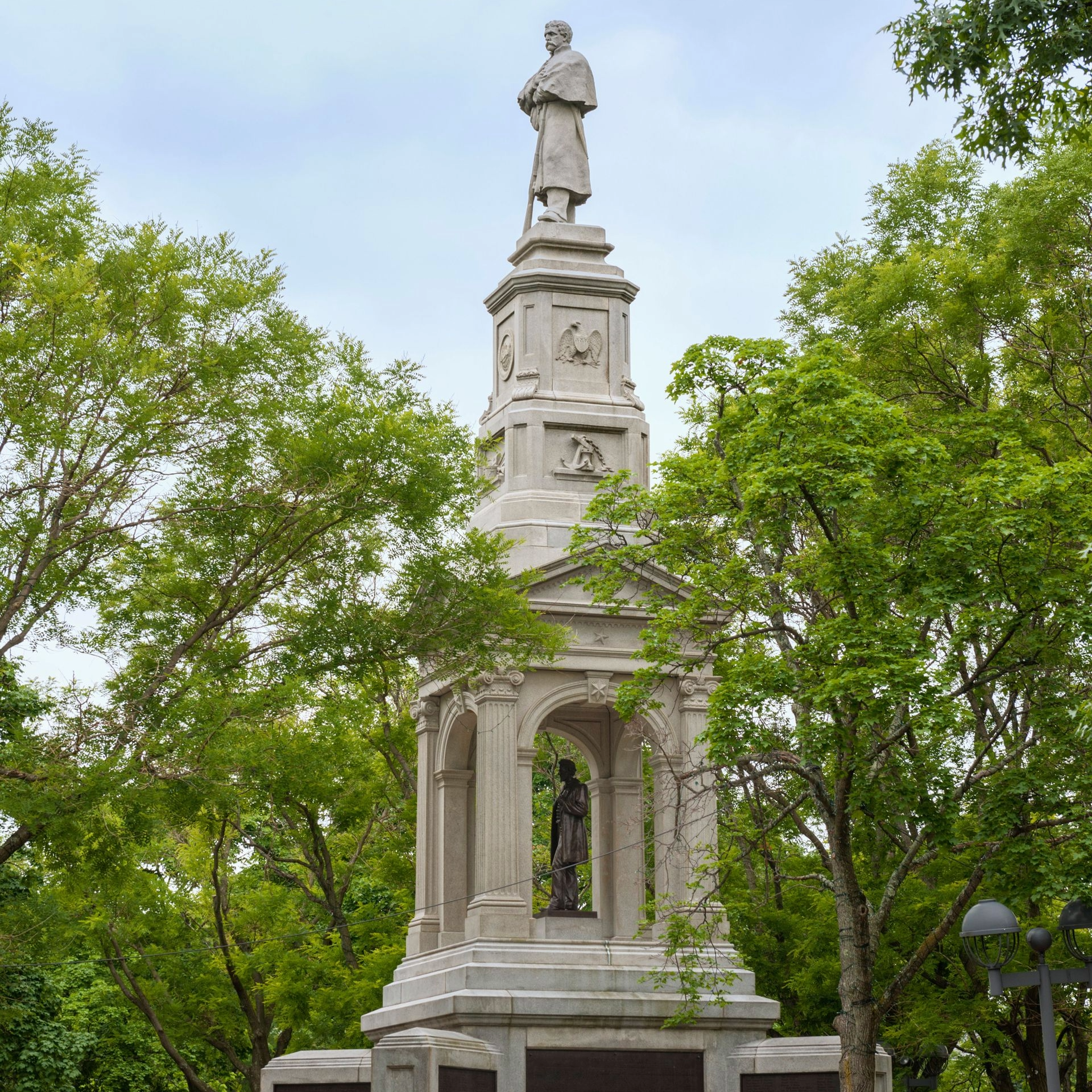
The Monuments project is an ongoing collaboration supporting Kris Plunkett’s PhD research. The project focuses on building and organizing a database of monuments that will eventually be made publicly available for educational use and outside research. Because monuments are closely tied to community memory and local history, this work helps create context that can support deeper understanding of memorial landscapes.

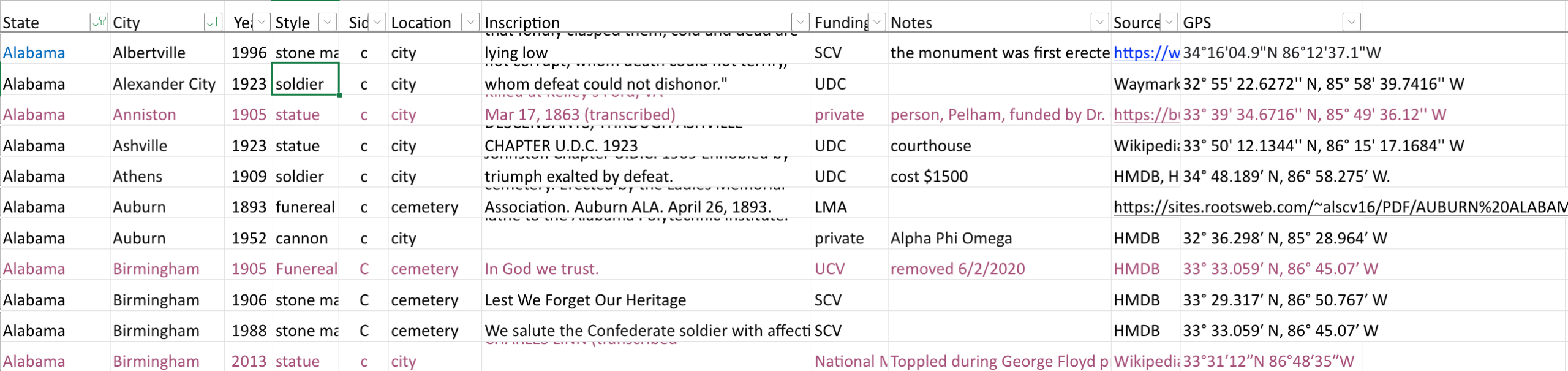
Reviewed external monument datasets and verified entries in the project database
Added missing monuments and abolitionist memorials to the spreadsheet
Cross-referenced datasets to improve database accuracy and completeness
Flagged uncertain entries and tracked progress across monument records
Tools and Skills Used
Microsoft Excel
Use Microsoft Excel to organize monument research
Data Entry/Encoding
Transform and maintain a consistent database structure across data points spanning the continental U.S.
Database Management
Perform regular auditing, cleaning cycles, and data analysis to validate our work
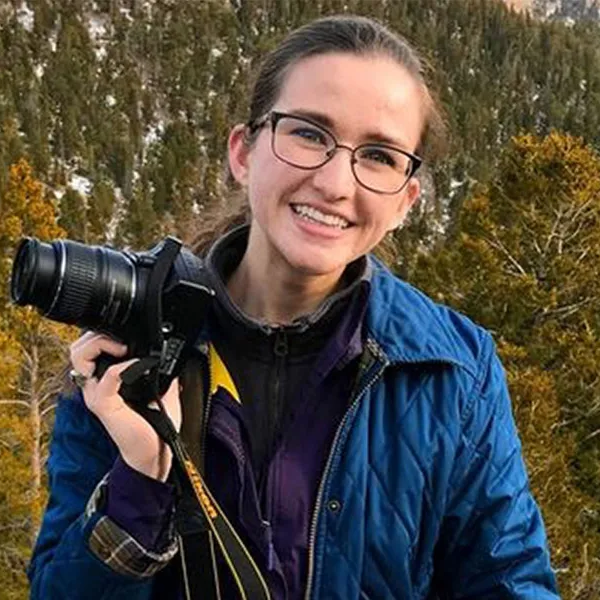
Kris Pluckett
Current PhD Student
Kris Plunkett is a PhD student of Tulane University’s Department of History. She graduated from Louisiana State University in 2020 with dual degrees in History and French with minors in Classical Civilizations and Philosophy. Her academic interest is Civil War memory, especially its relationships with race and epistemology. Her undergraduate thesis, entitled Monuments and Memory: A Quantitative Analysis of Union and Confederate Monuments and directed by Dr. Gaines M. Foster, was a catalogue of Northern and Southern Civil War monuments in America. Her current work continues with this interest as she pursues a complete geospatial map of U.S. Civil War monuments and its connnection to current American systems.
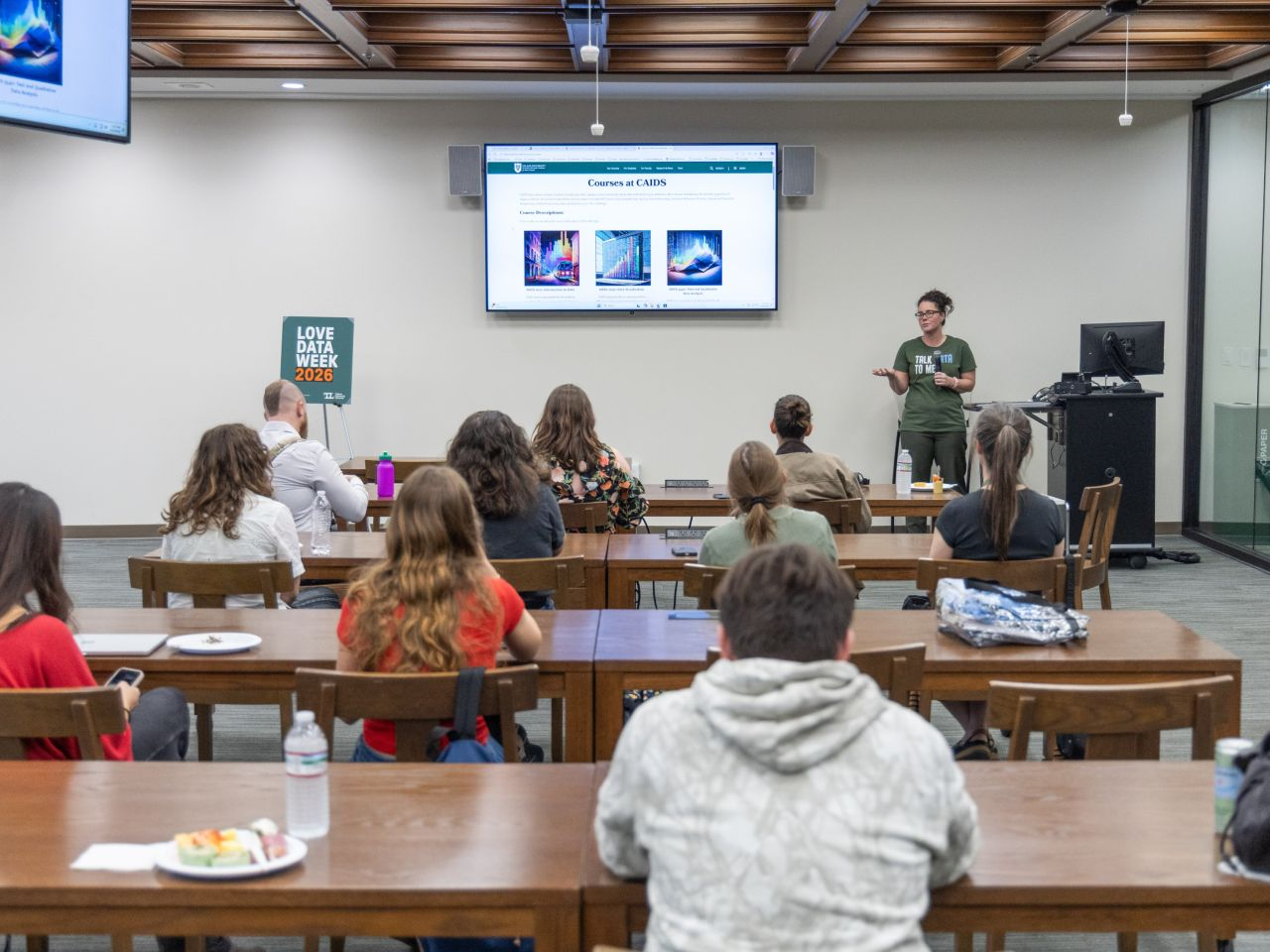
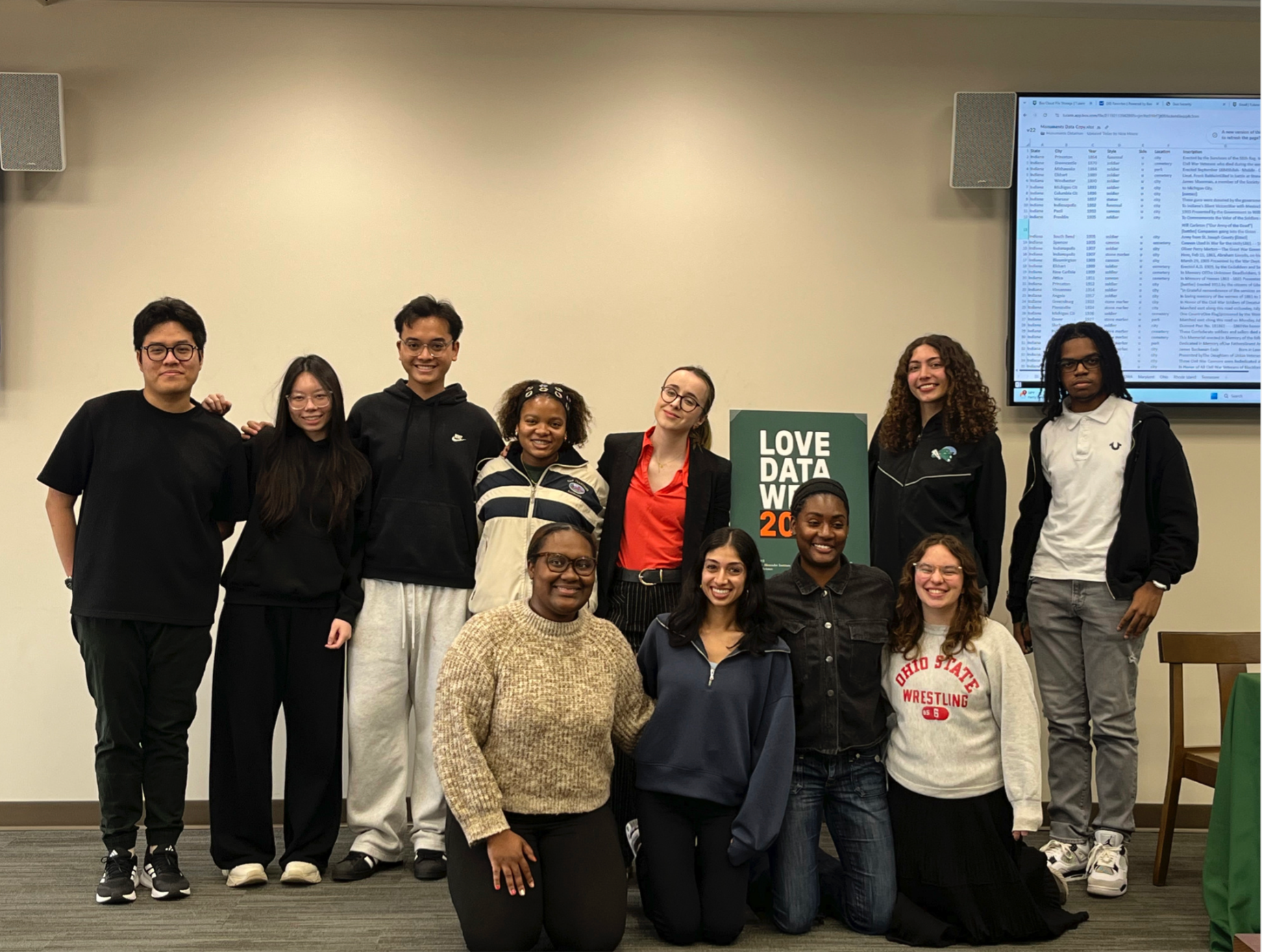
Featured Highlight Love Data Week Monuments Datathon
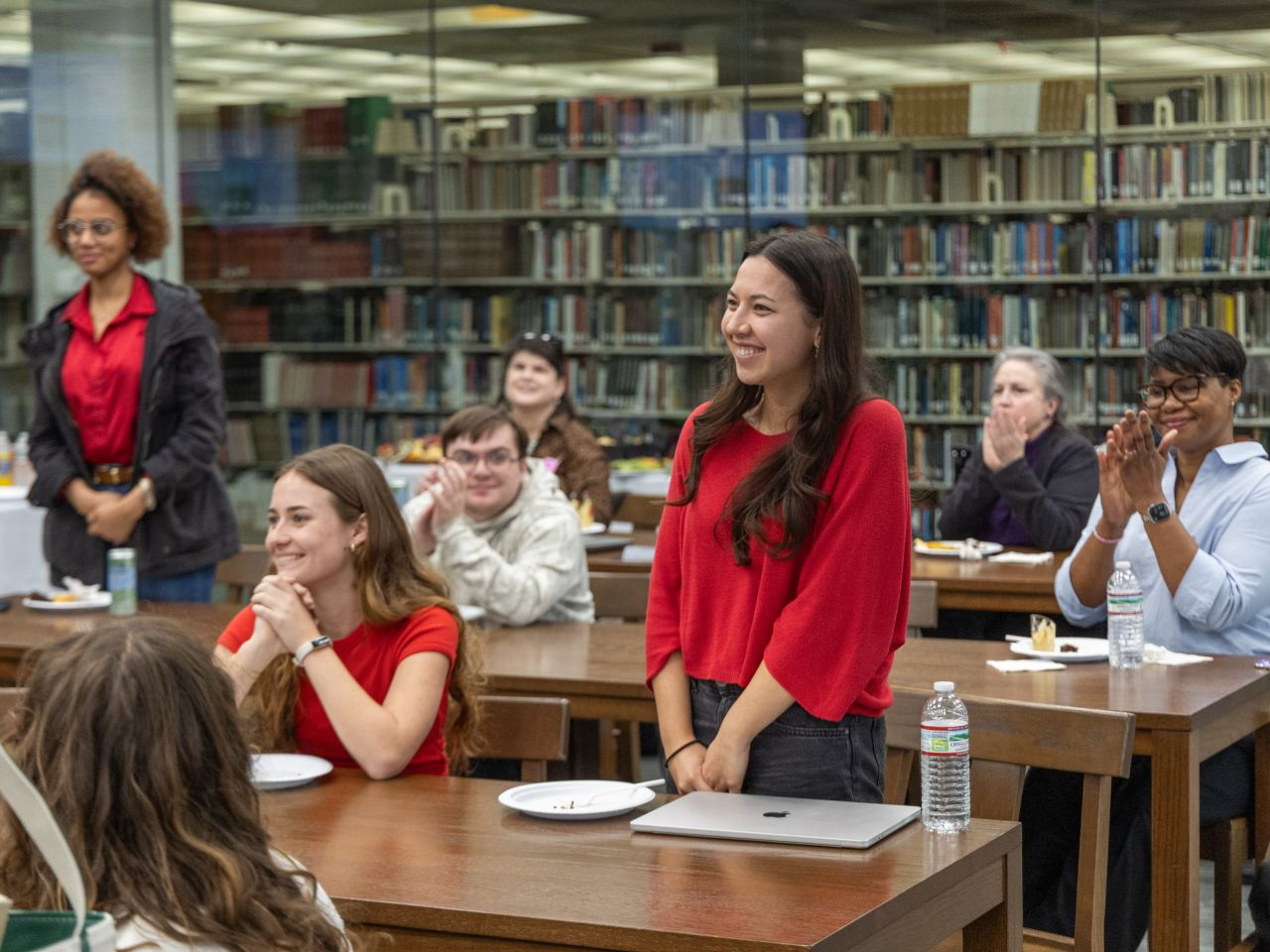
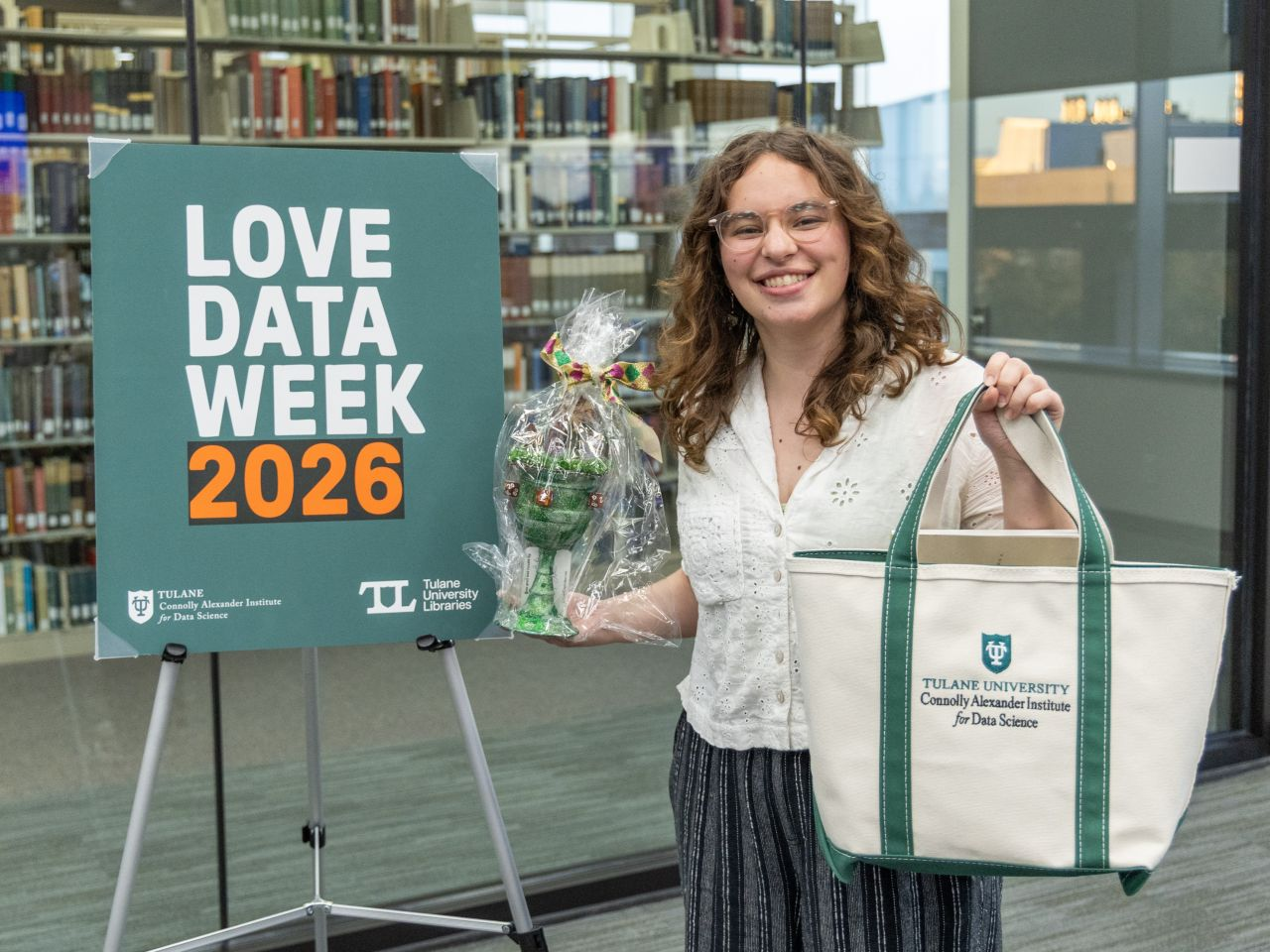
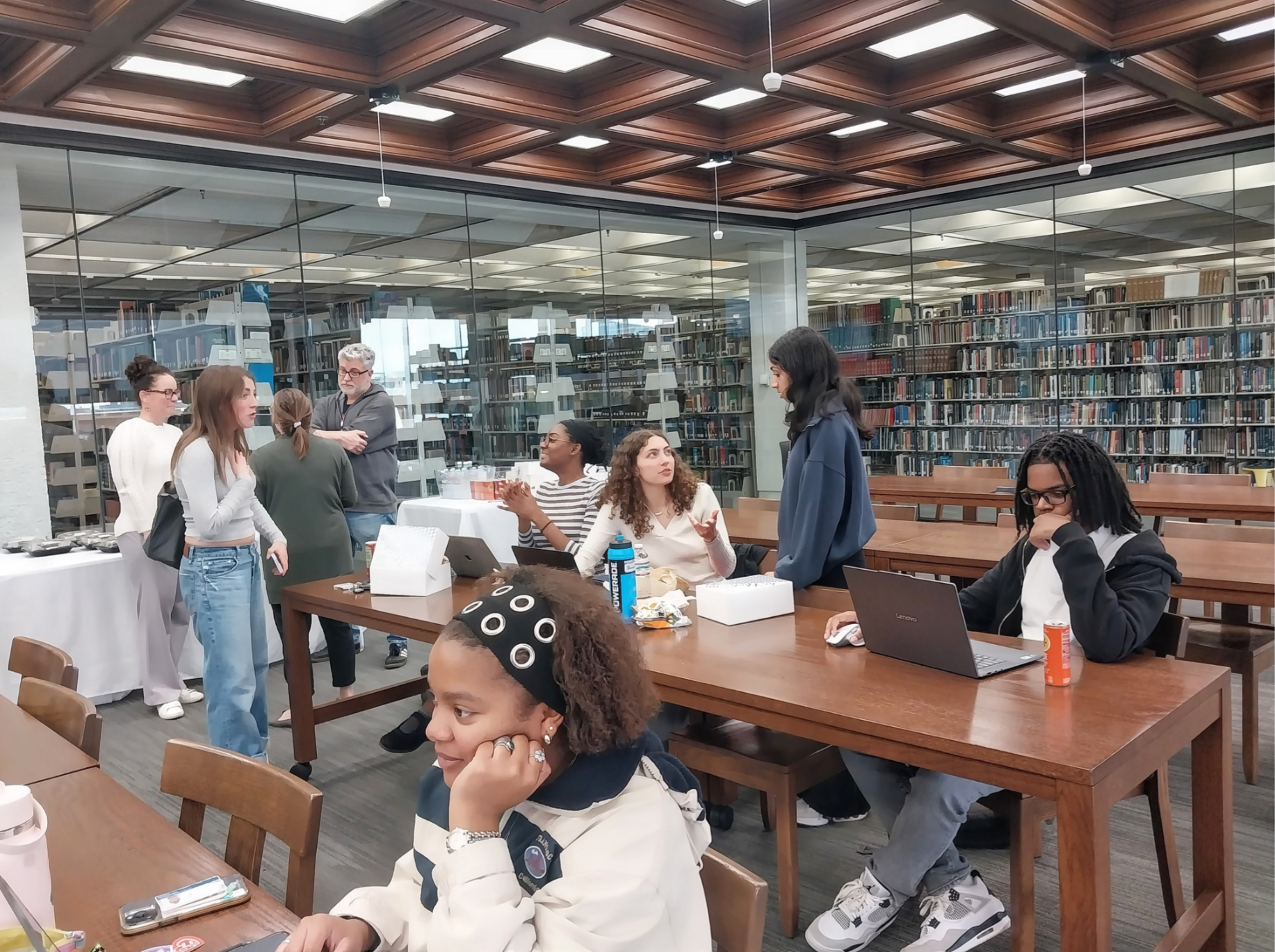
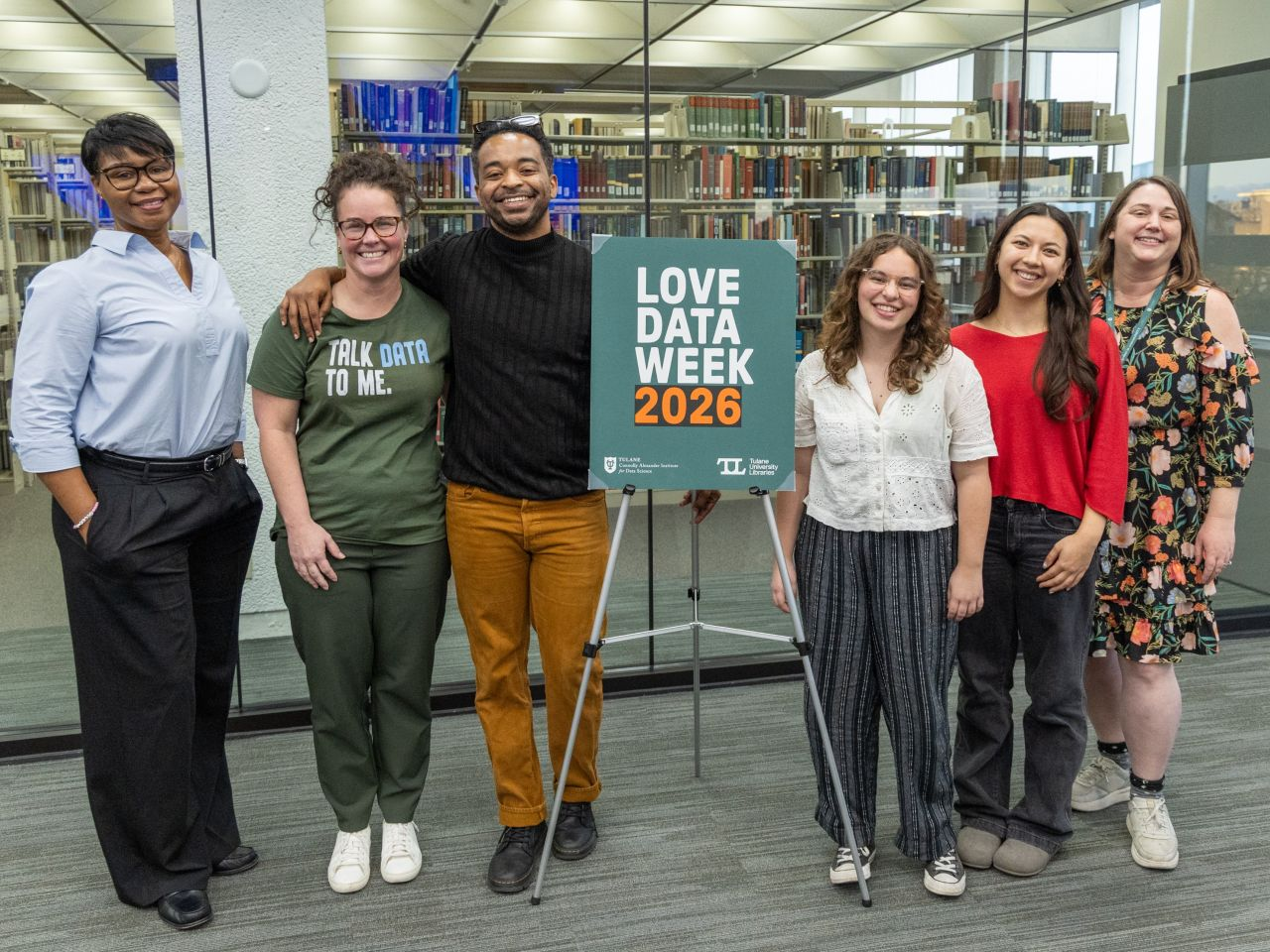
As part of Love Data Week 2026, the team organized a Monuments Datathon that invited students from across majors to help cross-reference records and add new monuments to the spreadsheet. The event not only supported project progress but also gave students the opportunity to work directly with a real-world dataset.